
Government Establishes Technology Recovery Task Force to Restore and Modernise Critical Digital Services after Hurricane Melissa
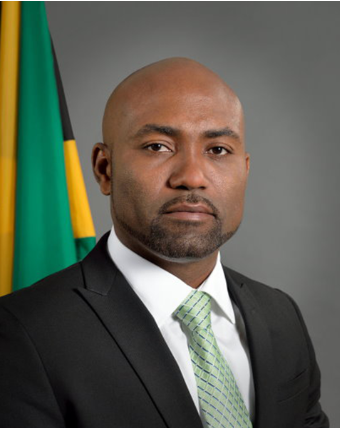
Dr. the Honourable Andrew Wheatley the Minister without Portfolio in the Office of the Prime Minister with responsibility for Science, Technology and Special Projects today announced the formation of the Technology Recovery Task Force, a time-bound, public-private coordination body mandated to restore, secure, and modernise technology-enabled public services in the parishes most affected by Hurricane Melissa.
The Task Force will drive a unified recovery and resilience agenda across emergency services, health facilities, schools, government offices, and community access points, initially prioritising Manchester, St. Elizabeth, Westmoreland, St. James, Trelawny, and St. Ann, with national coordination from Kingston. The focus is simple: stabilise services quickly, harden cyber and network infrastructure, and build back smarter.
The Task Force will be chaired by Minister Wheatley. It will coordinate offers and donations of equipment, connectivity, software platforms, cybersecurity tooling, engineering resources, and training to eliminate duplication to accelerate impact. All contributions will be aligned to national standards and security requirements, based on an approved delivery roadmap. Transparent governance will include frequent status reporting and a public progress dashboard.
“This is about restoring services Jamaicans rely on in these affected areas, and building back smarter and more resilient than before,” said Dr. the Honourable Andrew Wheatley.
Dr. Wheatley continued, “The Task Force brings together Government, industry and technical experts to move quickly and transparently to secure and future proof our public systems, and services.”
The task force will establish cross-sector working groups that will prioritise recovery in the following areas:
1. Government Services – Ministries, departments, agencies and municipal entities
2. Health Services – Public hospitals, health centres and clinics
3. Emergency Response Services – Police stations, fire stations, disaster management offices and inter-agency communication systems.
4. Education Services – Primary, Secondary and Tertiary Education Institutions and places of safety.
5. Citizen Services – service delivery platforms, public information systems, community centres, and digital inclusion initiatives.
These teams will coordinate Government, industry, and development-partner inputs under a single plan and standards framework.
Over the next 12 months, the Task Force will execute a phased programme and set clear priorities. The main goals are to restore the most important services, upgrade and expand what’s in place so it’s stronger and more resilient, and finish by moving public services back into normal operations with solid backup plans and ongoing improvements.